Forest School
What is Forest School at Trinity Academy Whitehill?
Our aim at Forest School is to inspire all children to grow in confidence, creativity, and resilience by embracing nature’s challenges, fostering independence, and encouraging a lifelong love of learning through outdoor exploration and play.
Wonder grows with every outdoor adventure
Heartfelt learning happens through play
Inspiration comes from nature’s beauty
Teamwork builds strong friendships and trust
Exploration leads to discovery and growth
Hands-on experiences deepen understanding
Independence flourishes in open spaces
Learning through risk builds confidence
Linking minds and nature for life-long learning.
Forest School sessions are led by a qualified Forest School practitioner and take place in our dedicated outdoor space. Sessions are child-led, meaning children direct their own learning through exploration, investigation, and play in the natural environment.
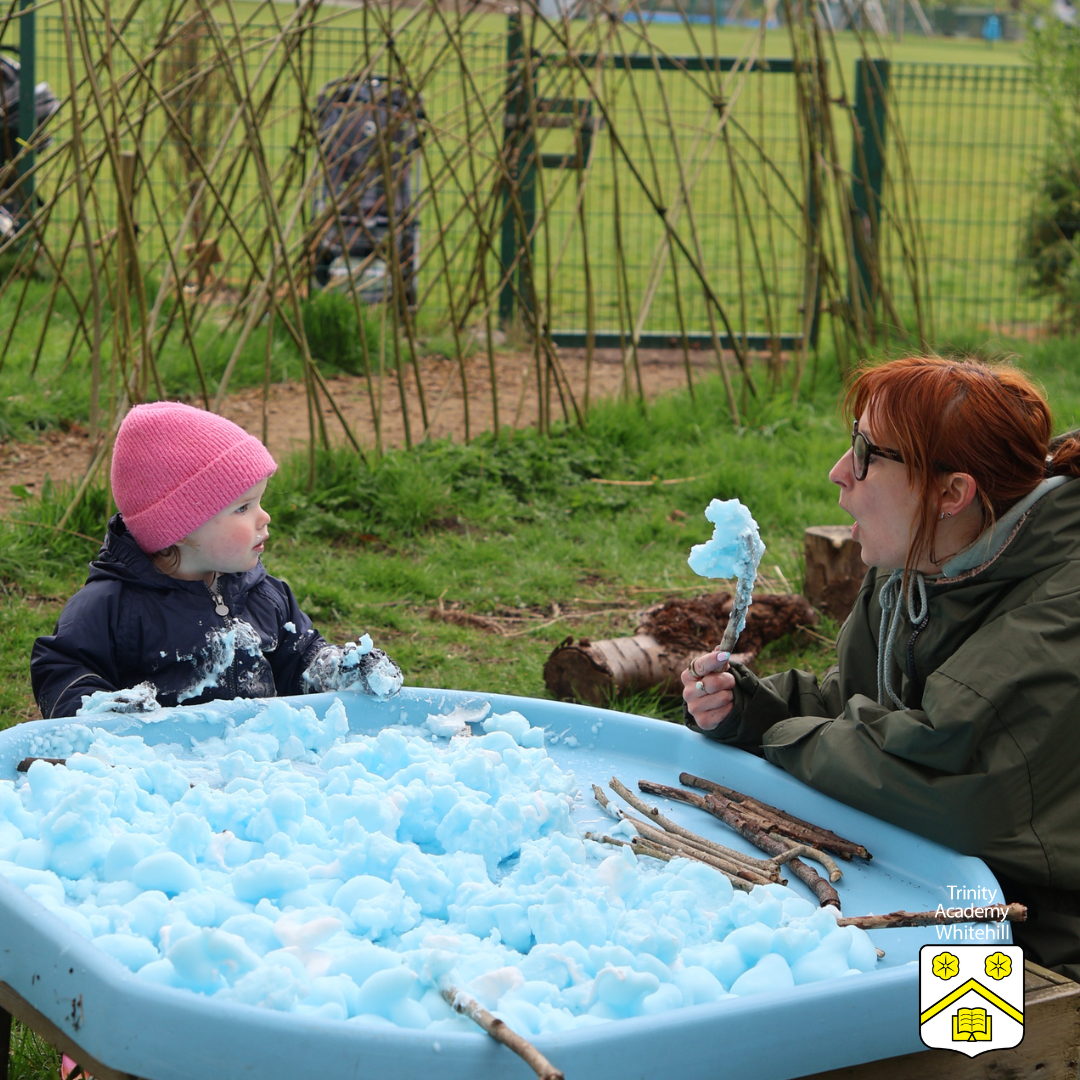
Gizelle Bryson
Forest School Leader
I love Forest School because it gives me the chance to be outdoors in all weathers, enjoying the fresh air and the ever-changing natural environment. Whether it’s sunshine, rain, or cold days, I find it rewarding to embrace nature and help children do the same.
I also value that it offers a different way of learning that is inclusive, allowing all children to take part, explore, and succeed in their own way. What I enjoy most is seeing the benefits it brings to the children - their confidence grows, they become more independent, and they develop important life skills through hands-on experiences. Watching them explore, learn, and overcome challenges is incredibly fulfilling, and nothing compares to seeing their faces light up with smiles as they play, discover, and feel proud of what they have achieved.
How are children kept safe at Forest School?
Children are kept safe at Forest School through clear routines, consistent boundaries, and careful planning. At the start of sessions, they learn simple rules such as staying within agreed areas, how to move safely around the site, and how to respond to signals and instructions from adults. The Forest School leader carries out thorough risk assessments before each session, taking into account factors such as the environment, activities, and weather conditions, including wind, rain, or extreme temperatures. Ongoing checks ensure that trees, tools, and fire areas remain safe to use. Children are also taught how to recognise risks for themselves, such as keeping a safe distance from fires or using tools correctly, helping them to develop awareness and responsibility while staying protected.
What do children do and learn in Forest School?
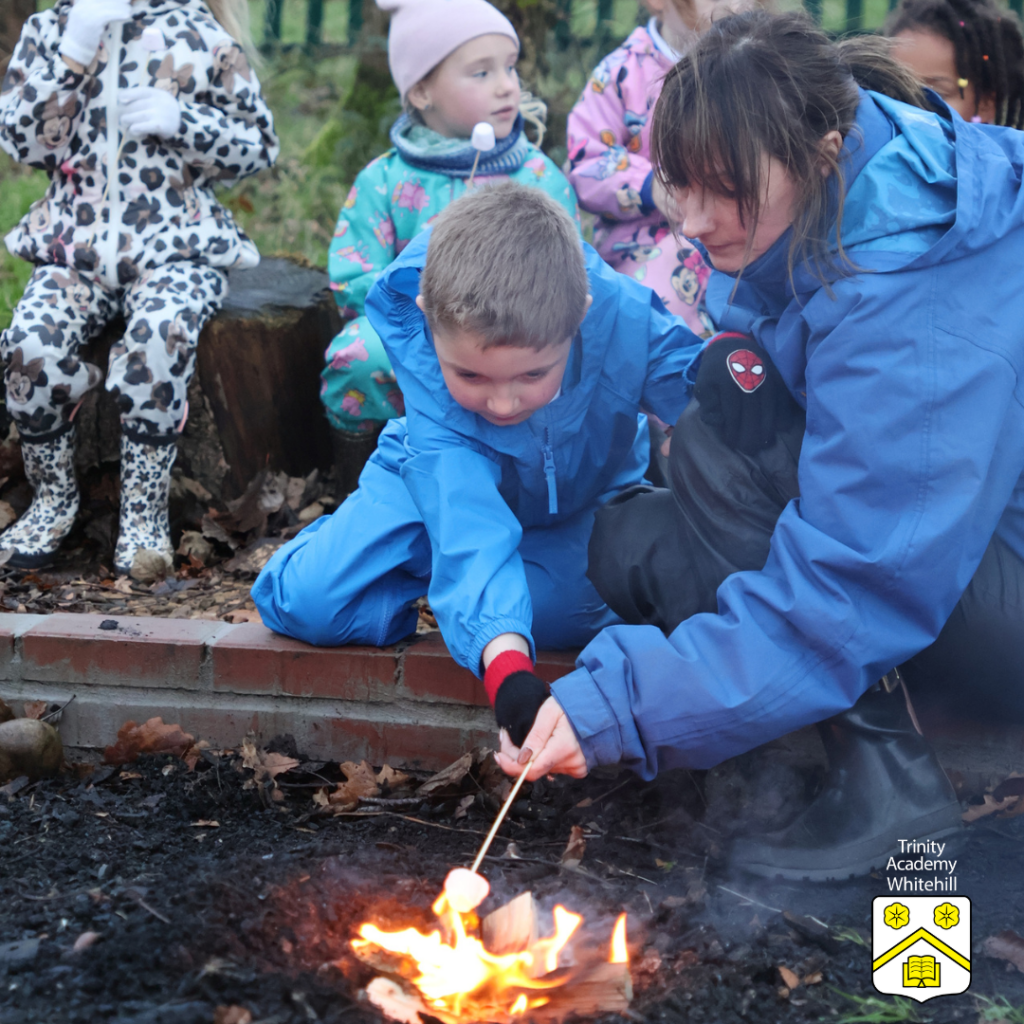
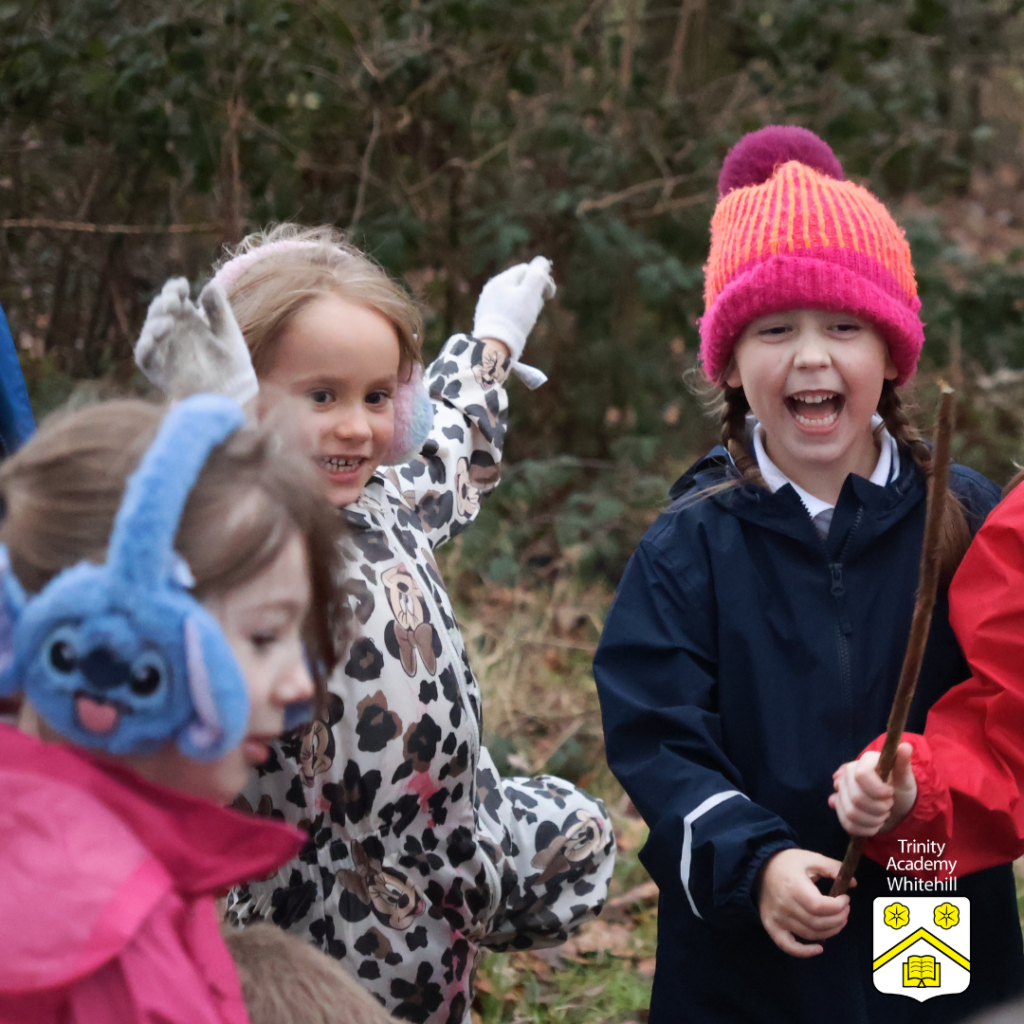
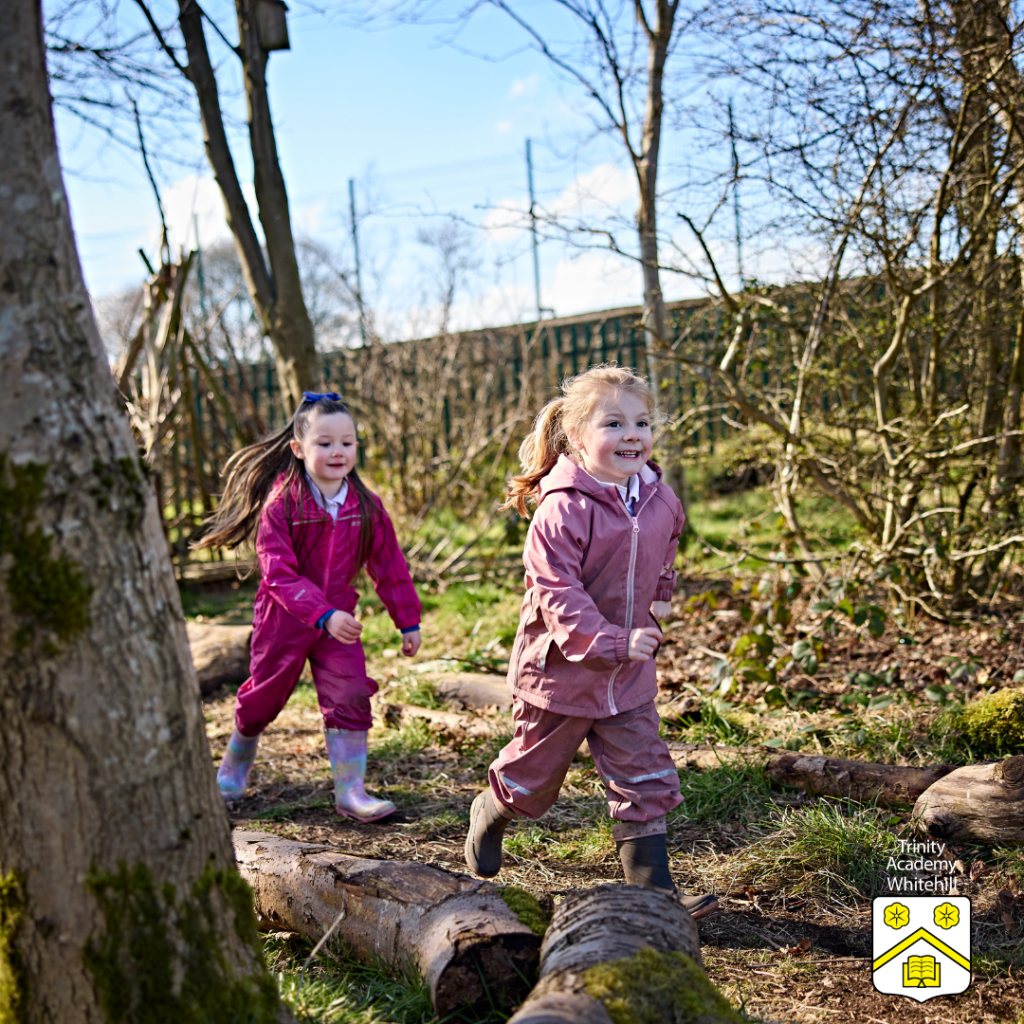
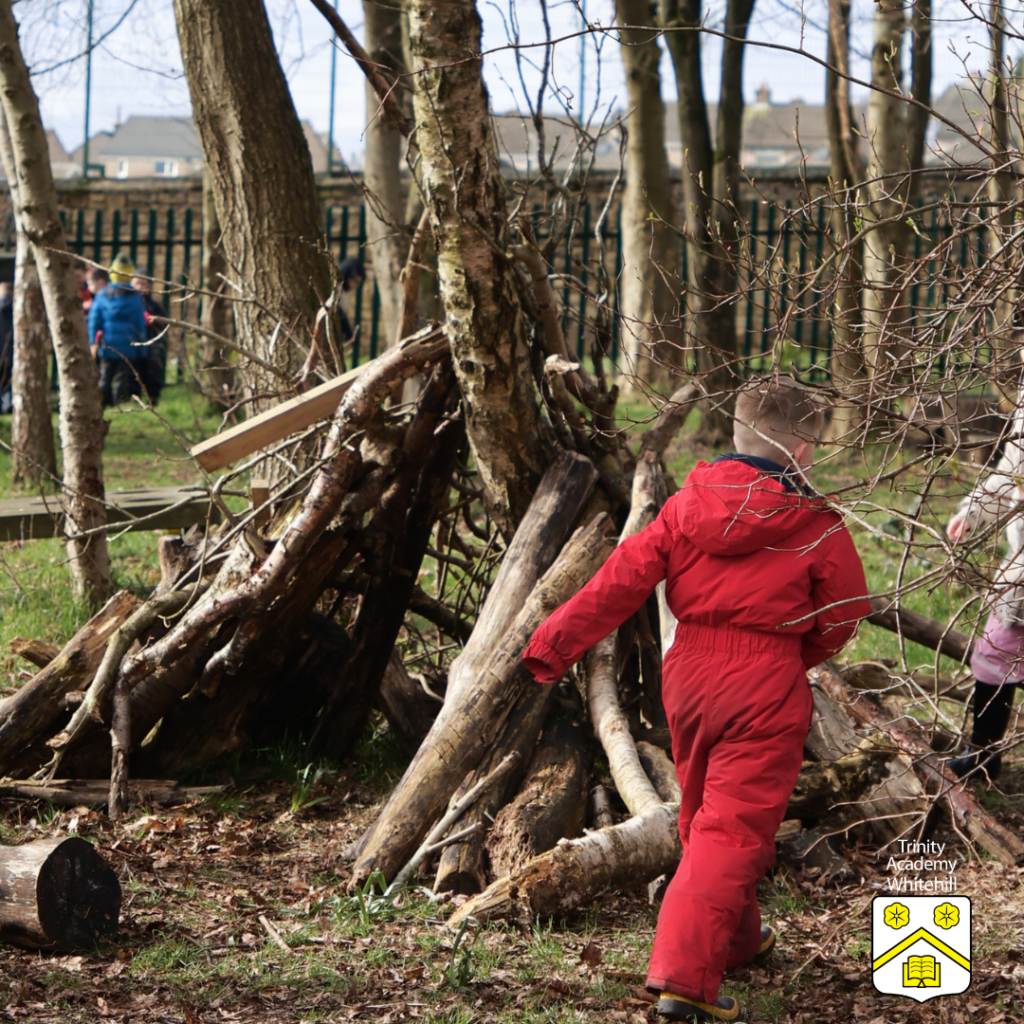
In Forest School, children spend time outdoors exploring nature while learning practical skills and building confidence. They will work together to build shelters from branches and leaves, climb trees, or investigate plants and wildlife. With adult supervision, children are introduced to tools such as hand drills, peelers, bow saws and loppers learning how to use them safely and responsibly. Children will take part in carefully managed campfire activities, such as helping to light a fire, understanding fire safety, and even cooking simple foods. These experiences encourage teamwork, problem-solving, and independence, while helping children develop a strong connection with the natural environment.
Forest School links closely to the curriculum by providing real-life, hands-on experiences that support children’s learning across many subjects. In science, children explore plants, animals, seasons, and habitats through direct observation. In maths, they develop skills like counting, measuring, and problem-solving while building shelters or collecting natural materials. Language and communication are supported through storytelling, discussion, and describing their experiences. Physical development is enhanced through climbing, balancing, and using tools, while personal, social, and emotional development grows as children build confidence, work as a team, and learn independence. Forest School also offers a different, inclusive way of learning, allowing children of all abilities to engage with the curriculum in a practical and meaningful way.
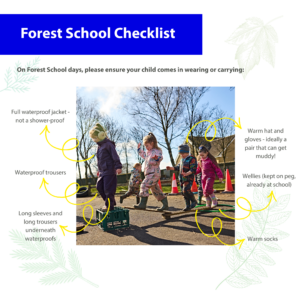
What do children need to wear/bring for Forest School?
Forest School is outdoor education in ALL seasons, therefore, to ensure that the children are sufficiently protected from the weather and the forest environment we require children to be wearing appropriate clothing and footwear.
NOTE: These clothing requirements are essential for EVERYONE, adults, and children
Clothing will get muddy, so old clothes are required. We require children to have long sleeves and long trousers in both winter and summer. This is particularly important in the summer to protect from tick bites, sun burn, stinging nettles and thorns.
Hot weather clothing requirements
Children will not be wearing their school uniform or shoes for these sessions, as they may get muddy or ripped. All children will require the following:
- sun hat
- lightweight long-sleeved top
- lightweight long trousers – These helps protect them from scratches, nettle stings, bites, the weather, and sunburn.
- wellies (preferred) or hard shoes/old trainers
- hair over shoulder length will need to be tied back for safety reasons.
- waterproofs (As directed by GB)
It is advised that children should have sunscreen applied at home before they come to school, but if a top up is required, please send in a bottle with the child’s name clearly written on it for them to apply before a session.
Cold weather clothing requirements
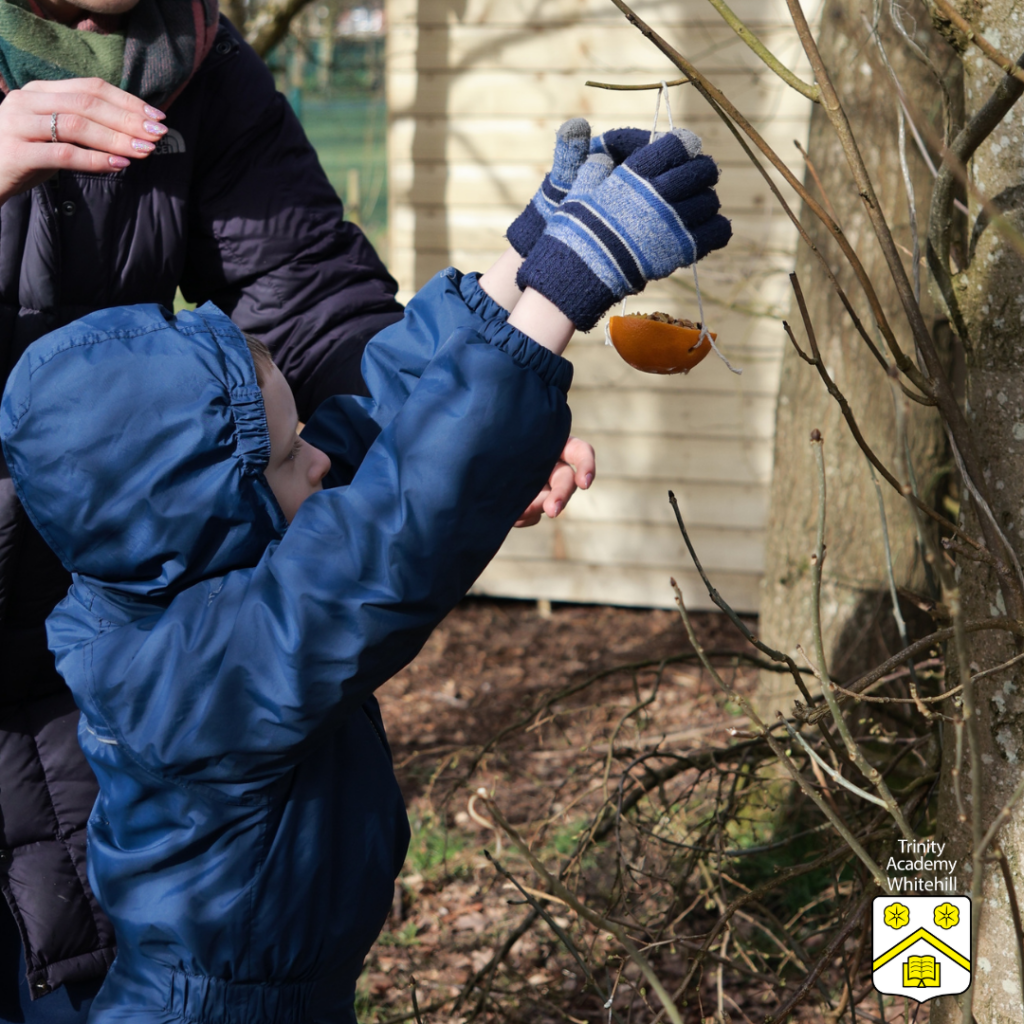
Children will not be wearing their school coat for these sessions, as they may get muddy or ripped. In very cold weather, please supply extra layers or an old jacket in your kit, which keep in the heat and can be removed if needed. All children will require the following:
- long-sleeved top
- long trousers or leggings – These helps protect them from scratches, nettle stings, bites, and the weather.
- jumper/fleece
- warm hat
- gloves – not mittens as children will need to be able to move all their fingers.
- wellies (preferred) with warm socks or hard shoes
- old coat or jacket
- hair over shoulder length will need to be tied back for safety reasons.
- Waterproofs (As directed by GB)
School will provide protective gloves for the children to use while using the tools available. All waterproofs and wellies/walking boots need to be provided by parents and will be kept at school ready for each session.